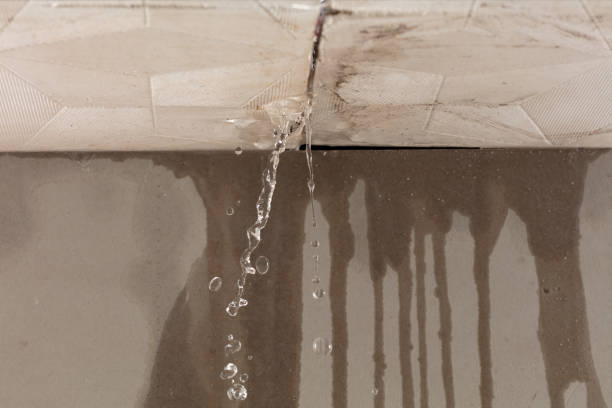
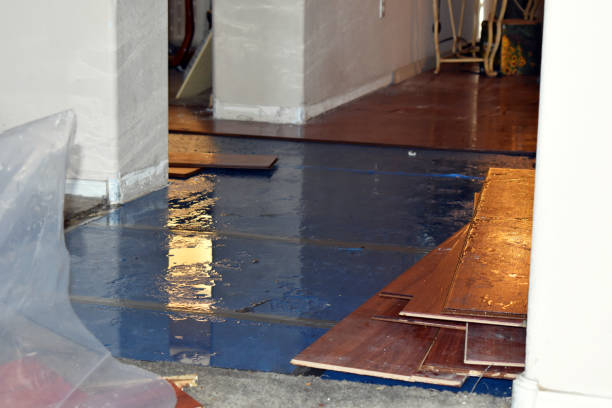
There's a specific kind of dread that comes with standing water spreading across a Bean Station living room floor. We're built to shorten that window between the panic and the fix.
Call +1-844-578-1604
Crews staged inside Bean Station limits
Written estimate, no hidden line items
Licensed & insured, verifiable on request

We run our Bean Station operation on IICRC-certified technicians and commercial-grade equipment, not a subcontractor list we pull from when the phone rings.
Our Bean Station dispatch desk is staffed around the clock by people, not an automated queue, which matters most at exactly the hour you're calling.
Homeowners dealing with a flood are stressed enough without technical jargon, so we train our crews to explain the process in plain terms from the first phone call.
Not every water problem announces itself with a flooded floor. Most start quietly, and catching one of these signs early is usually the difference between a same-day fix and a much bigger repair.
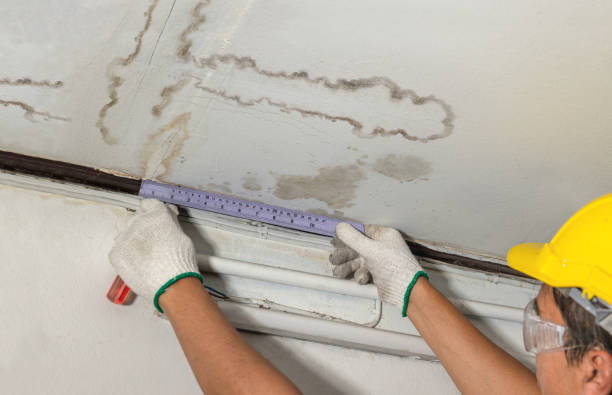
Repainting over a recurring ceiling stain treats the symptom, not the leak still feeding it from above or behind the surface. The stain returning is the actual diagnosis.
If a dehumidifier and open windows don't clear the smell within a day or two, there's an active moisture source that ventilation alone won't solve.
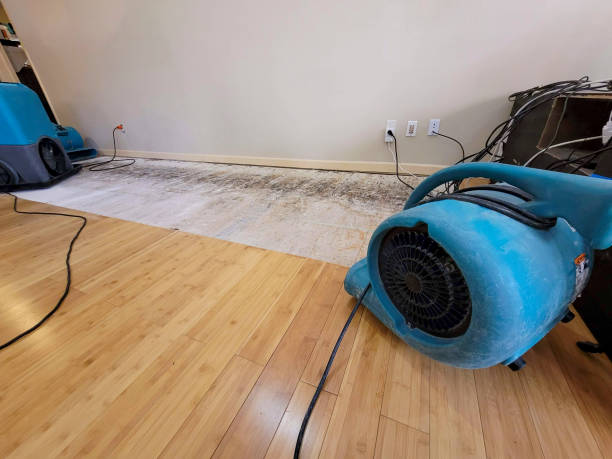
Flooring that shifts slightly when you walk on it, even subtly, is worth a moisture reading before it gets worse.
The sound of running water when every fixture in the house is off is one of the more reliable early warnings of a hidden leak.
Wallpaper that suddenly lifts at the seams after holding fine for years often signals a change in the humidity or moisture level inside that wall cavity.
A small patch of mold in a corner or along a baseboard means conditions behind that surface have supported growth for a while — the source needs to be found, not just wiped away.
Catching two or more of these signs at once usually means it's past time for a proper inspection.
Treating Ceiling Water Damage Repair as a single continuous job, rather than a series of handoffs, is what keeps timelines shorter and documentation consistent.
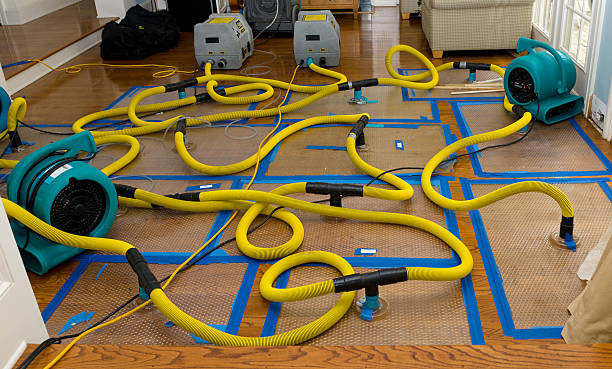
The equipment on our trucks scales up or down to the job, but the process — assess, extract, dry, verify, repair — doesn't change.
Moisture meters classify the water as Category 1, 2, or 3 on arrival, which determines whether it's a straightforward extraction or a full contamination protocol.
Daily drying logs track humidity and surface moisture at every checkpoint, giving you documented proof of progress instead of a verbal 'it's getting there.'
Materials that had direct contact with contaminated water almost always come out rather than get dried in place — that's a safety call, not a cost-cutting one.
Antimicrobial treatment on studs, subfloor, and other porous surfaces happens during the drying phase, especially anywhere that stayed wet more than 48 hours.
One contract from extraction through reconstruction means you're not managing two separate companies and two separate invoices.
Furniture, electronics, and documents get assessed on-site, with salvageable items cleaned and stored while the space dries.


This is the same sequence every job follows, whether it's a single flooded room or a full commercial loss.
Dispatch gathers just enough detail to load the right equipment before the truck leaves the lot.
Photo and moisture documentation happens before any equipment gets touched, which protects your insurance claim later.
Equipment placement follows the specific psychrometric numbers from assessment, not a generic pattern used on every job.
Every affected area gets re-tested before we call the job complete — no shortcuts on the sign-off.
We built the checklist below around the actual complaints people have about restoration companies in general, then made sure Aqua Guard Water Damage doesn't repeat them.
Every technician carries IICRC certification, and every crew works fully insured — documentation available whenever you want it.
Shorter drive times matter most in the first hour after a loss, which is exactly when local staging pays off.
You get a written estimate before equipment turns on, not a surprise invoice after the fact.
Every job closes with a documented re-inspection, not a handshake and an invoice.
If our readings don't hit a safe drying standard on schedule, equipment stays running at our cost until they do — that's the bar we hold ourselves to.
This isn't marketing copy — it's the actual checklist our crews sign off against before a job is marked complete.
Call +1-844-578-1604Whether your address sits in 37708 37811 or a neighboring zip, the same crew and the same response standard applies.
Coverage extends past the city core into the surrounding Bean Station suburbs, so an outlying address isn't treated as a second-tier call.

"Our water heater gave out overnight and by the time I found the pool of water it had already crept under the cabinets. The crew here in Bean Station had it extracted and drying equipment running before I finished my coffee."
Renee A., Bean Station"A storm backed water into our finished basement and the crew classified it, extracted it, and had dehumidifiers running that same afternoon. The invoice matched the quote to the dollar."
Owen D., Bean Station"Professional from the first call to the final walkthrough, and they re-tested moisture before closing the job instead of eyeballing it."
Fatima J., Bean Station"The reconstruction crew matched our original flooring almost exactly after the repair — you'd never guess there was ever a leak."
Lucas P., Bean Station"We had a slow leak for weeks without noticing, and thermal imaging found moisture in a spot we never would have checked ourselves."
Grace T., Bean Station"They sectioned off the wet area instead of shutting down the whole office during drying, which kept us operating almost normally."
Nathaniel W., Bean Station"The technician explained exactly which boards needed to go and which tested dry enough to keep, so we didn't overpay for the repair."
Bianca H., Bean Station"They explained the crawl space drainage issue in plain terms instead of technical jargon, and fixed it on the spot rather than scheduling a separate trip."
Derek S., Bean Station"They found the actual source of the leak instead of just drying the surface damage, which saved us from the same problem happening again in a month."
Melissa C., Bean Station"A dishwasher supply line failed while we were on vacation and came home to a soaked kitchen floor. They handled the extraction, drying, and coordination with our property manager without us having to fly back early."
Victor N., Bean Station